
Skip to content

Your patients stay your patients.

I'm the physician on the other end of your referral, the one who sends the patient back, shares the plan, and builds your patient's prescriptions around the work you're already doing.

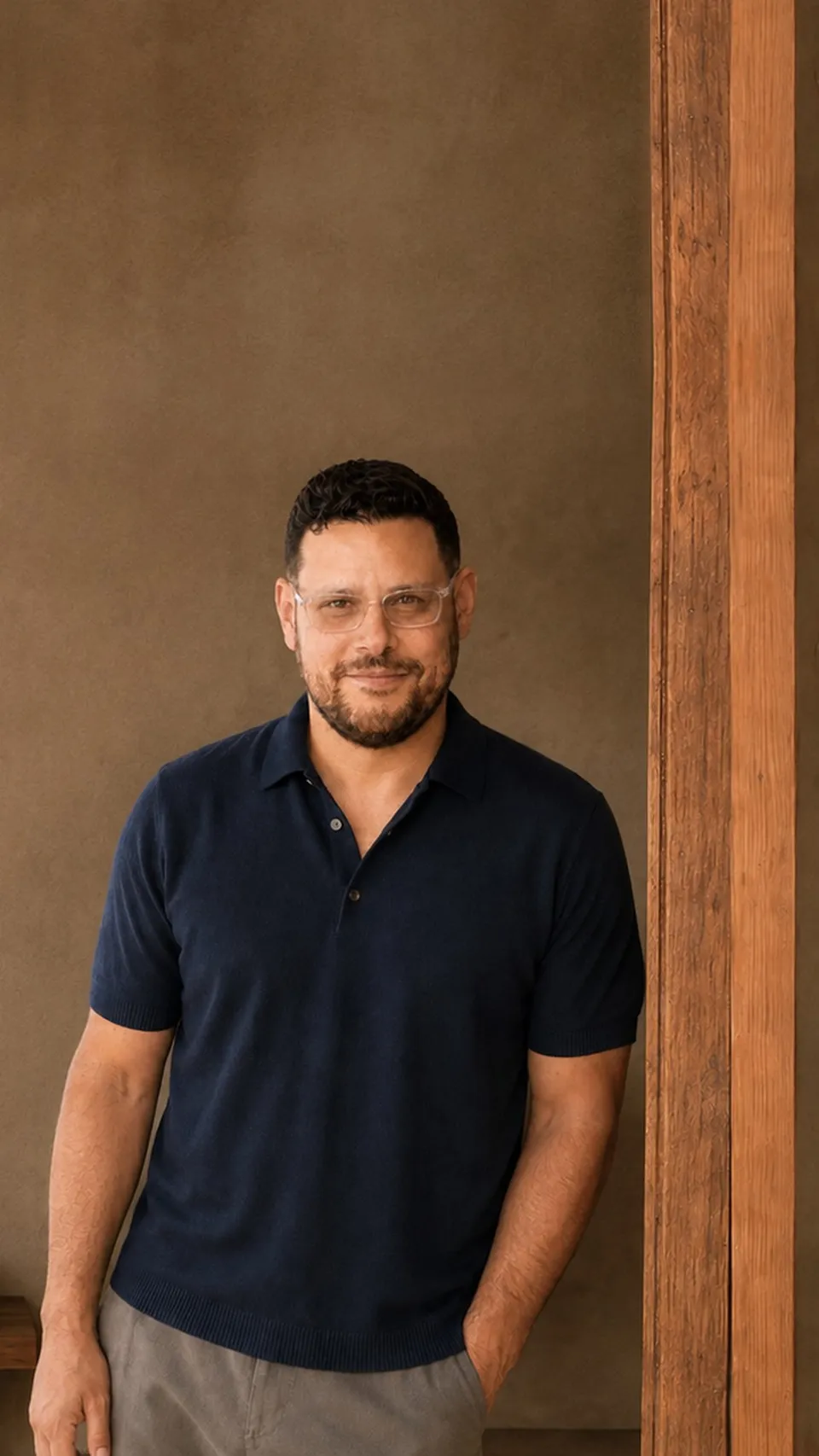
Jeremy Steiner, MD, PhD, DAOM, founder of Terrain Medical.

I've sat on your side of the table.

For seventeen years before residency, I practiced acupuncture. So I know the feeling of getting a patient most of the way there, handing them to a physician who has no idea what you've been treating, and never hearing another word. That silence is why I went to medical school. I wanted to be the doctor you could hand a patient to and stay in the loop with. I hold an MD, a PhD in bioelectric medicine, and a doctorate in acupuncture and Oriental medicine, and I've been teaching practitioners in fields like yours since 2007, more than three thousand of them so far. And so we're clear: I believe in acupuncture. I didn't stop believing when I became a physician. I became a physician partly so this medicine would finally have one on its side. The physician you're referring to actually understands the medicine you practice.

2 in 3

patients never tell their doctor about the herbs and supplements they're taking.

Foley et al., Scientific Reports, 2019.

What you've never gotten from an MD before

Coordination, not silence.

I talk to you directly, not through the patient. You email me, I email you, and the patient stops being the messenger between two halves of their own care.

When it's pertinent, and with your patient's permission, you get my visit notes and every lab I run. You're never guessing what happened on my end.

I build the prescriptions to support your treatment. If you're treating someone's terrain, the channels, tissues, and neural layers you work on, what I prescribe is chosen to back that up, and I tell you what I'm doing and why.

When you have a clinical question, about a shared patient or about treatment protocols in general, you can reach me. I keep time each week to answer practitioners directly, peer to peer.

I deprescribe, too

Your work stops being invisible.

When your treatment starts working, something has to change on the medication side to match it. Often nothing does. A patient's blood pressure would come down with treatment, and they'd stay on all three medications anyway, because no one on the prescribing end knew the treatment was working. Now I'm the one holding the prescription pad. When your treatment takes hold and the vitals and labs move, the medications can finally move with them. I taper or stop what the patient no longer needs. It's done safely, step by step, and the patient is part of every decision. Your work stops being invisible to the rest of their care.

9 in 10

older adults would stop one or more of their medications if their doctor said it was possible.

Reeve et al., JAMA Internal Medicine, 2018.

I'll recommend more visits with you, not fewer.

Results in your clinic depend on treatment frequency, and the hardest sell in your practice is getting a patient to book that second or third visit in the same week. It's also far easier to keep a committed patient on schedule than to find a new one. So when a condition calls for treatment two or three times a week, I say so, to the patient, in the written plan they take home. And if the clinical picture ever calls for a different course, I'll tell you first. Hearing it from their physician changes what patients do. The schedule you could never talk them into becomes doctor's orders.

Referring is simple

Two steps. That's it.

1

Point your Florida patient to the website to book a free 15-minute call. That's the whole ask on your end.

2

If they become my patient, we share their care, and you stay in it.

Let's share a patient

Picture the referral you've never had: the patient comes back to you, the plan comes with them, and the medications adjust when your treatment works.

If you have a patient who needs medical care alongside your work, send them my way. Not ready for that yet? Let's talk first, one practitioner to another.